
Tennessee is a true haven for waterfall enthusiasts, boasting an incredible array of cascades that range from towering giants to serene, hidden gems. This comprehensive guide will unveil the very best waterfalls in Tennessee, offering insights into their unique beauty, accessibility, and what makes each one a must-visit destination for adventurers of all skill levels. Get ready to plan your next breathtaking outdoor escape!
There’s something truly magical about the rush of water as it tumbles over ancient rock formations, creating a mesmerizing spectacle of sound, mist, and light. If you’re anything like us, the allure of a majestic waterfall is simply irresistible. And when it comes to chasing cascades, few places rival the natural splendor of the Volunteer State. Tennessee, with its diverse topography ranging from the rugged Appalachian Mountains to the rolling Cumberland Plateau, is a veritable paradise for waterfall lovers.
Imagine pristine waters plunging into cool, clear pools, surrounded by lush greenery, or carving their way through dramatic gorges. From towering giants that command awe to delicate veils hidden deep within tranquil forests, the best waterfalls in Tennessee offer an unparalleled outdoor experience. Whether you’re an avid hiker seeking a challenging trek to a remote fall or a family looking for an accessible scenic overlook, Tennessee has a cascade waiting to steal your heart.
Join us as we embark on a journey to uncover some of the most breathtaking and beloved waterfalls in Tennessee. We’ll explore their unique features, share tips for visiting, and help you plan your ultimate waterfall-chasing adventure. Get ready to lace up your boots, grab your camera, and prepare to be amazed by the natural wonders that make Tennessee a premier destination for anyone who appreciates the power and beauty of falling water.
Key Takeaways
- Diverse Landscapes: Tennessee boasts an incredible variety of waterfalls, from easily accessible roadside gems to remote cascades deep within state parks and national forests, catering to all types of adventurers.
- Iconic Must-Visits: Don’t miss the grandeur of Fall Creek Falls, the highest free-fall waterfall east of the Rockies, or the unique base access and swimming opportunities at Cummins Falls State Park.
- Hidden Gems Await: Beyond the famous spots, explore lesser-known wonders like Ozone Falls or the intriguing Greeter Falls for a more secluded and unique waterfall experience.
- Planning is Crucial: Always check park conditions, trail maps, and permit requirements (like for Cummins Falls) before you go. Good preparation ensures a safer and more enjoyable trip.
- Seasonal Splendor: The best time to experience Tennessee’s waterfalls is typically in spring or after significant rainfall, when water flow is at its peak, creating the most dramatic and beautiful scenes.
- Safety and Stewardship: Prioritize safety by wearing appropriate footwear and being mindful of slippery rocks. Practice Leave No Trace principles to preserve the natural beauty for future visitors.
Quick Answers to Common Questions
Which is the tallest waterfall in Tennessee?
Fall Creek Falls, located in Fall Creek Falls State Park, is the tallest free-fall waterfall east of the Rocky Mountains, plunging an impressive 256 feet into the gorge below.
Do I need a permit to visit Cummins Falls?
Yes, to access the base of Cummins Falls for swimming or up-close viewing, you must purchase a “Gorge Access Permit” online in advance. These permits limit daily visitors.
Are there accessible waterfalls in Tennessee suitable for families?
Absolutely! Laurel Falls in Great Smoky Mountains National Park has a paved, relatively easy trail, making it very family-friendly. Overlooks at Fall Creek Falls and Rock Island State Park also offer easy viewing.
What is the best time of year to see Tennessee waterfalls?
The best time is typically in the spring (March-May) or after significant rainfall, as this ensures the strongest water flow, creating the most dramatic and impressive views.
Can you swim at the base of most Tennessee waterfalls?
While many waterfalls have inviting pools, swimming is only permitted at designated locations and when conditions are safe. Always check park regulations and signage; for instance, Cummins Falls is popular for swimming at its base.
📑 Table of Contents
- Middle Tennessee’s Magnificent Cascades: A Symphony of Flow
- Eastern Tennessee’s Towering Triumphs: Majestic Mountain Cascades
- Exploring Lesser-Known Wonders and Unique Experiences
- Your Essential Guide to Waterfall Wonder-Trips
- Beyond the Mist: Maximizing Your Tennessee Outdoor Adventure
- Conclusion: Your Tennessee Waterfall Adventure Awaits
Middle Tennessee’s Magnificent Cascades: A Symphony of Flow
While Eastern Tennessee often gets the spotlight for its mountain ranges, the central part of the state proudly hosts some of the most spectacular and easily accessible waterfalls. These gems offer a perfect blend of natural beauty and outdoor activity, making them prime spots for exploring the best waterfalls in Tennessee.
Burgess Falls State Park: A Multi-Tiered Marvel
Located near Sparta, Burgess Falls State Park is a true jewel among Tennessee waterfalls, featuring a stunning series of cascades culminating in a breathtaking 136-foot main fall. This park is an absolute must-visit, offering a dynamic experience as you explore its various tiers.
- The Journey: The park offers a few different ways to experience the falls. A relatively easy, mostly flat trail leads to overlooks for the upper falls and the main falls. This path is perfect for families or those seeking less strenuous activity.
- To the Base (Check Conditions!): For the more adventurous, a strenuous 1.5-mile round trip trail descends to the base of the main waterfall. This trail is rugged, often steep, and can be very slippery, especially after rain. It’s crucial to check park conditions before attempting this hike, as it can be closed due to high water or dangerous conditions. The reward, however, is an incredible, up-close view of the powerful cascade and a fantastic swimming hole.
- Why We Love It: The sheer power and beauty of Burgess Falls, especially after a good rain, are simply captivating. The park itself is well-maintained, and the various viewing options make it accessible for many.
Cummins Falls State Park: An Adventure to the Base
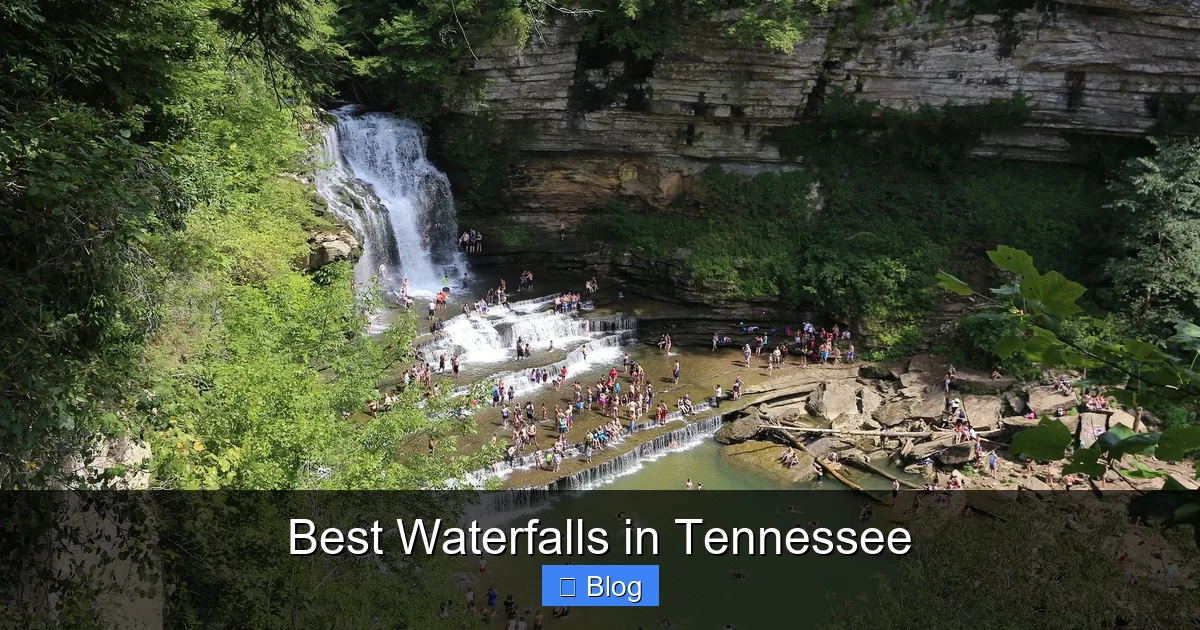
Northeast of Cookeville, Cummins Falls State Park offers one of the most unique and thrilling waterfall experiences in Tennessee. Cummins Falls is the eighth-largest waterfall by volume in Tennessee, and its true beauty is best appreciated from the bottom of the gorge.
- Permits are a Must: To access the base of Cummins Falls, you absolutely need a “Gorge Access Permit,” which must be purchased online in advance. These permits limit the number of visitors daily, helping to preserve the natural environment and enhance visitor safety. Don’t show up without one!
- The Descent: The hike to the base is a challenging 1.5-mile round trip, involving stream crossings, slippery rocks, and navigating uneven terrain. Water shoes with good grip are essential, and trekking poles can be very helpful. It’s an adventure, not just a walk!
- Reward and Refreshment: Once at the base, you’re greeted by the magnificent 75-foot Cummins Falls, cascading into a large, inviting swimming hole. It’s a hugely popular spot for swimming and cooling off on a hot day. The natural beauty here is unparalleled.
- Safety First: Always be aware of weather conditions. Flash floods can occur rapidly, so if rain is in the forecast, it’s best to postpone your visit.
Rock Island State Park (Twin Falls): A Unique Hydroelectric Wonder
Also located near Sparta, Rock Island State Park is home to the stunning Twin Falls, an unusual and beautiful waterfall created by the historic Great Falls Dam. What makes Twin Falls so unique is that the water doesn’t fall over a cliff; instead, it rushes out from beneath an old powerhouse, appearing to emerge from the earth itself.
- Easy Viewing: Twin Falls is remarkably accessible. You can view the main cascades from several points, including a pleasant walk along the riverbanks near the powerhouse. The area is popular for wading and enjoying the cool waters of the Caney Fork River.
- Limestone Carvings: The area around Twin Falls is characterized by its impressive limestone gorges and the powerful currents of the Caney Fork River, making it a popular spot for kayaking and whitewater rafting when water levels permit.
- Beyond Twin Falls: While Twin Falls is the star, Rock Island State Park also features Great Falls, a smaller but equally charming cascade just downstream. The park offers camping, hiking, and picnicking, making it a fantastic all-day destination.
Eastern Tennessee’s Towering Triumphs: Majestic Mountain Cascades
The eastern part of Tennessee, particularly around the Great Smoky Mountains and the Cumberland Plateau, is a haven for dramatic waterfalls. These are some of the best waterfalls in Tennessee if you’re looking for impressive drops and stunning mountain scenery.
Visual guide about best waterfalls in tennessee
Image source: takemetotn.com
Fall Creek Falls State Park: The Crown Jewel of Tennessee Waterfalls
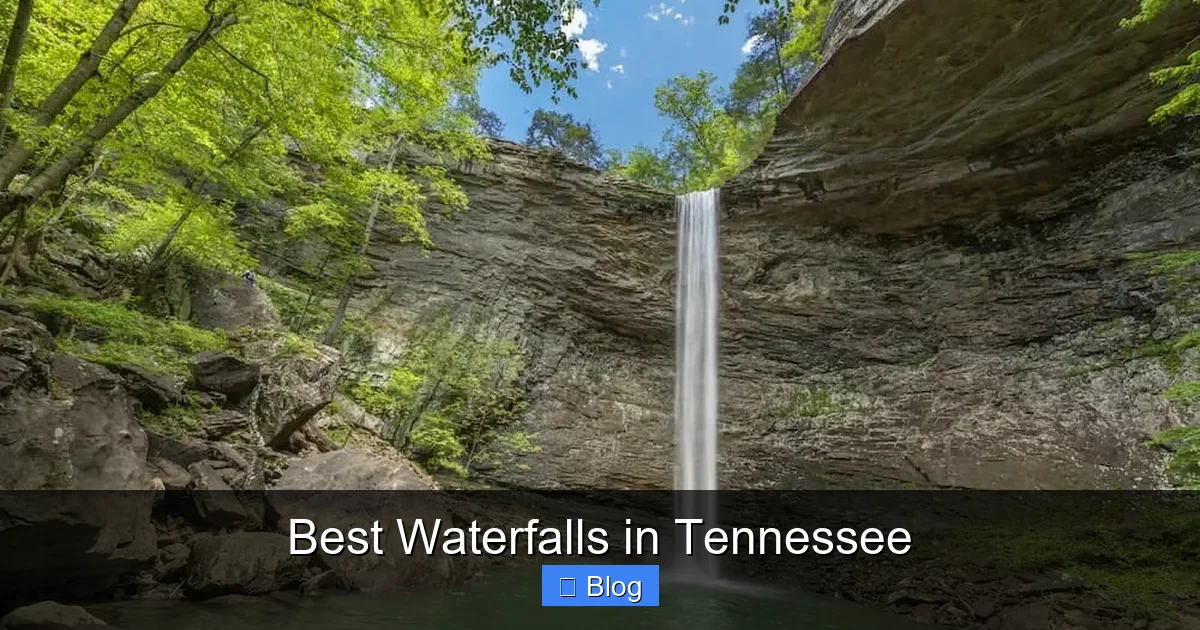
Home to the highest free-fall waterfall east of the Rocky Mountains, Fall Creek Falls State Park is an absolute must-see for anyone exploring Tennessee’s natural beauty. Located on the Cumberland Plateau, this park offers an unparalleled waterfall experience.
- Fall Creek Falls: The park’s namesake fall plunges a staggering 256 feet into a gorge below. Overlooks near the parking area provide breathtaking panoramic views, accessible to everyone. For a more immersive experience, a steep and challenging 0.5-mile trail descends to the base of the falls, offering a truly magnificent perspective (check trail conditions as it can be closed).
- Beyond the Main Attraction: Fall Creek Falls State Park is not just about one waterfall; it’s a collection of wonders. You’ll also find Piney Creek Falls (85 feet), Cane Creek Falls (85 feet), and the intricate Cane Creek Cascades. Many of these are easily accessible via the park’s extensive trail system.
- Park Amenities: Beyond waterfalls, the park boasts over 30 miles of hiking trails, an 18-hole golf course, cabins, camping, and a nature center. It’s a destination where you could easily spend several days exploring.
Great Smoky Mountains National Park Waterfalls: Iconic & Accessible
The most visited national park in the U.S., Great Smoky Mountains National Park, is crisscrossed with streams and rivers, leading to numerous beautiful waterfalls. While many require significant hikes, some of the best waterfalls in Tennessee are surprisingly accessible within the Smokies.
- Laurel Falls: This popular 80-foot waterfall is unique for its paved, 2.6-mile roundtrip trail. It’s a relatively easy hike with a gradual incline, making it perfect for families with strollers or those looking for a less strenuous walk. Expect crowds, especially during peak season.
- Grotto Falls: Offering a truly unique experience, Grotto Falls is the only waterfall in the Great Smoky Mountains National Park that you can actually walk behind! The 2.6-mile roundtrip trail is moderate, passing through an old-growth hemlock forest where you might spot llamas used by the park service. The cool spray from behind the falls is incredibly refreshing on a warm day.
- Cataract Falls (Gatlinburg): For those staying in Gatlinburg and seeking a quick waterfall fix, Cataract Falls is an excellent choice. It’s a relatively small but charming 25-foot waterfall located just a short, easy 0.7-mile roundtrip walk from the Sugarlands Visitor Center. Perfect for a quick nature break.
Ozone Falls State Natural Area: A Hidden Gem with a Dramatic Drop
Tucked away near Rockwood, Ozone Falls offers a dramatic spectacle for those willing to seek it out. This 110-foot waterfall plunges into a deep gorge, creating a powerful and atmospheric scene that has even served as a filming location for movies like “Jungle Book.”
- Short but Steep: The hike to Ozone Falls is short—less than a mile roundtrip—but it’s deceptively steep and rugged, especially the descent into the gorge to reach the base. The trail can be very slippery, particularly after rain.
- Raw Beauty: What Ozone Falls lacks in extensive amenities, it makes up for in raw, untamed beauty. The area feels wilder and less developed than some of the larger state parks, offering a more rustic experience. The rock overhangs and surrounding cliffs add to its dramatic appeal.
Exploring Lesser-Known Wonders and Unique Experiences
Beyond the famous attractions, Tennessee holds a trove of lesser-known or uniquely situated waterfalls that offer different kinds of adventures. These spots truly highlight the diversity of the best waterfalls in Tennessee.
Visual guide about best waterfalls in tennessee
Image source: images.rove.me
Greeter Falls (Savage Gulf State Natural Area): A Spiraling Descent
Part of the vast South Cumberland State Park, Greeter Falls within the Savage Gulf State Natural Area offers a delightful journey to a unique waterfall formation. This gem is found near Altamont and provides a moderately challenging hike with a rewarding view.
- The Hike: The Greeter Falls Loop Trail is about 1 mile long and takes you through beautiful woodland. It leads to two distinct cascades: Upper Greeter Falls and the more dramatic Lower Greeter Falls.
- The Spiral Staircase: To reach the base of Lower Greeter Falls, you’ll descend a remarkable spiral staircase built into the rock face. This unique feature adds an element of adventure and provides incredible views of the falls as you make your way down. The falls themselves drop about 50 feet into a tranquil pool.
- Connector Trails: Savage Gulf is a huge area, and Greeter Falls connects to an extensive network of trails, allowing for longer backpacking trips for experienced hikers.
Foster Falls (South Cumberland State Park): Climber’s Paradise
Another fantastic waterfall within the South Cumberland State Park system, Foster Falls, near Jasper, is not only a beautiful cascade but also a premier rock climbing destination. The 60-foot waterfall plunges into a deep, clear pool, perfect for swimming.
- Overlook and Base Access: An easy, accessible overlook provides stunning views of Foster Falls and the gorge below. For those wanting to get closer, a moderately strenuous 0.7-mile trail descends to the base of the falls.
- Climbing and Swimming: The towering sandstone cliffs around Foster Falls attract climbers from all over the Southeast. For non-climbers, the swimming hole at the base is incredibly inviting on a hot day.
- Fiery Gizzard Trail: Foster Falls marks one end of the renowned Fiery Gizzard Trail, a challenging 12.5-mile point-to-point hike known for its rugged beauty and diverse terrain.
Ruby Falls (Chattanooga): The Underground Marvel
While most of the best waterfalls in Tennessee are enjoyed outdoors, Ruby Falls offers a completely different, mesmerizing experience. Located deep within Lookout Mountain near Chattanooga, this is an underground wonder, discovered in 1928.
- Guided Cave Tour: Ruby Falls is only accessible via a guided tour. You’ll descend 260 feet in an elevator, then walk through fascinating cavern formations before reaching the spectacular 145-foot waterfall.
- Light and Sound Show: Inside the cavern, the falls are dramatically illuminated with colored lights and accompanied by music, creating a truly magical and somewhat otherworldly experience.
- Unique Experience: This isn’t a traditional hiking waterfall, but its uniqueness and beauty make it a highly popular attraction. It’s a great option for a rainy day or if you’re looking for something entirely different from outdoor cascades.
Your Essential Guide to Waterfall Wonder-Trips
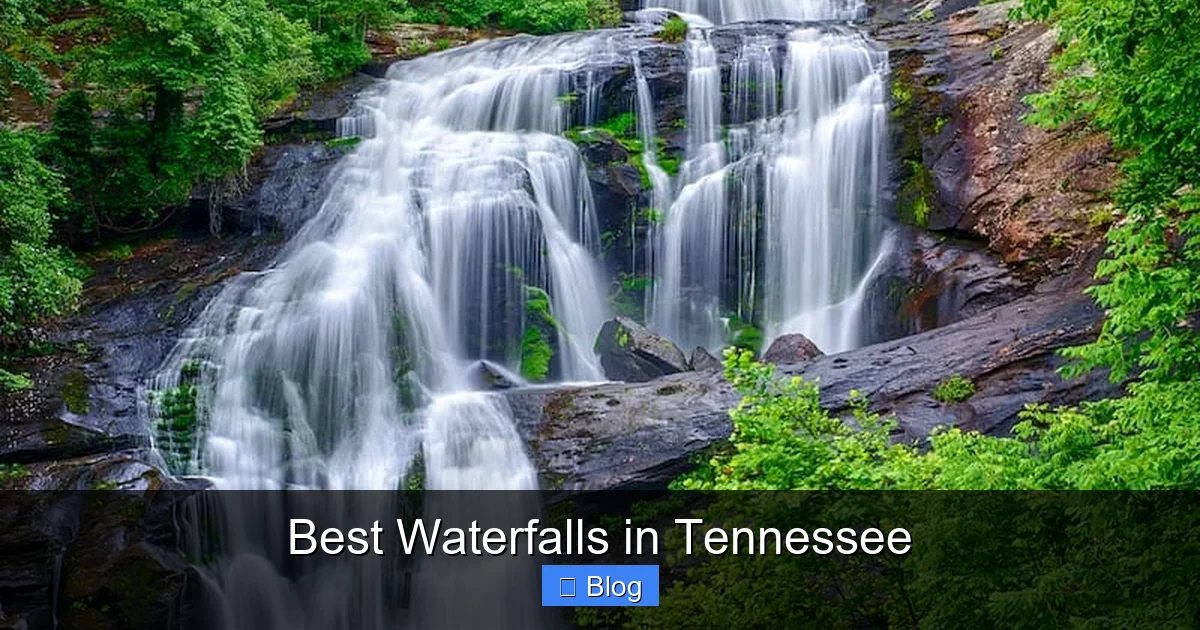
To fully enjoy the best waterfalls in Tennessee, a little preparation goes a long way. Here are some practical tips to ensure your adventure is safe, fun, and memorable.
Visual guide about best waterfalls in tennessee
Image source: virginiatraveltips.com
Timing Your Visit: When to Chase the Cascades
- Spring is Peak Season: The best time to visit most Tennessee waterfalls is in the spring (March to May). Meltwater from winter snows and consistent rainfall ensure robust water flow, making the falls incredibly powerful and visually stunning. The blooming wildflowers also add to the scenery.
- After Rain: A visit within a day or two after a significant rainfall will guarantee the most impressive flow. However, be cautious: trails can be extra slippery, and some gorge access trails might close due to high water.
- Summer for Swimming: If swimming in the pools at the base of the falls is a priority, summer (June to August) offers warmer temperatures. Just be aware that water flow might be reduced during dry spells.
- Fall for Foliage: Autumn visits offer the spectacular backdrop of changing leaves, creating breathtaking photographic opportunities, though water levels might be lower.
- Weekdays vs. Weekends: To avoid crowds, especially at popular spots like Laurel Falls or Cummins Falls, try to visit on a weekday morning.
Packing Smart: Gear Up for Adventure
- Footwear is Key: Sturdy hiking boots with good ankle support and excellent grip are essential for most trails. For trails involving water crossings or swimming, bring water shoes (like Chacos or Keens) with rugged soles. Never hike in flip-flops or open-toed sandals.
- Hydration and Snacks: Always carry more water than you think you’ll need, especially on longer or more strenuous hikes. Pack energy-boosting snacks like trail mix, granola bars, and fruit.
- First-Aid Kit: A small kit with band-aids, antiseptic wipes, pain relievers, and any personal medications is a must for any outdoor excursion.
- Camera Gear: You’ll want to capture the beauty! Consider a waterproof bag for your electronics, and maybe a tripod for long-exposure waterfall shots.
- Swimsuit and Towel: Many waterfalls in Tennessee have inviting swimming holes, so come prepared for a refreshing dip!
- Layers of Clothing: Weather in Tennessee can change quickly. Dress in layers, preferably moisture-wicking materials, to adapt to temperature fluctuations.
- Backpack: A comfortable daypack to carry all your essentials is crucial.
Safety First, Always: Respecting Nature’s Power
- Stay on Marked Trails: Wandering off-trail can lead to injuries, getting lost, and damaging fragile ecosystems.
- Mind Your Footing: Rocks around waterfalls are notoriously slippery due to constant spray and algae. Take small steps, test your footing, and use handholds where available.
- Beware of Swift Currents: Even seemingly calm water can have strong undercurrents, especially after heavy rain. Pay attention to warning signs and exercise extreme caution when near moving water or swimming.
- Check for Wildlife: Tennessee is home to various wildlife, including snakes and bears. Know what to do if you encounter an animal (never approach or feed).
- Tell Someone Your Plans: Inform a friend or family member of your hiking itinerary and expected return time, especially if you’re venturing to more remote areas.
- Heed Park Warnings: Park rangers issue warnings and close trails for a reason. Always respect closures and advisories, especially regarding flash flood risks.
Embracing Leave No Trace Principles: Be a Responsible Visitor
- Pack It In, Pack It Out: Everything you bring into the park, including all trash (food wrappers, bottles, fruit peels), must leave with you. Leave the area cleaner than you found it.
- Stay on Durable Surfaces: Stick to trails and established viewing areas to prevent erosion and protect delicate plant life.
- Respect Wildlife: Observe animals from a distance. Do not feed them, as this can harm their health and alter their natural behaviors.
- Minimize Campfire Impact: If camping, use established fire rings and check for fire bans.
- Leave What You Find: Do not take souvenirs like rocks, plants, or historical artifacts. Allow others to discover and enjoy them.
Beyond the Mist: Maximizing Your Tennessee Outdoor Adventure
Your journey to discover the best waterfalls in Tennessee doesn’t have to end with just the falls themselves. Many of these locations are within larger state parks or natural areas that offer a wealth of additional outdoor activities and attractions.
Hiking Opportunities Galore
Most waterfall trails are just a small part of a much larger network. Extend your hike beyond the immediate waterfall area to explore more of the diverse ecosystems, scenic overlooks, and unique geological features that Tennessee has to offer. For instance, the extensive trail systems at Fall Creek Falls or Savage Gulf can turn a short waterfall visit into an epic day-long trek or even a multi-day backpacking adventure.
Camping and Lodging for Extended Stays
Many state parks featuring the best waterfalls in Tennessee, like Fall Creek Falls, Burgess Falls (nearby camping), and Rock Island, offer excellent camping facilities, from primitive sites to RV hookups. Some even boast cabins or lodges, allowing you to immerse yourself fully in nature without roughing it. Staying overnight means you can enjoy the falls during quieter times, like early morning, before the crowds arrive.
Wildlife Watching and Photography
The lush environments surrounding Tennessee’s waterfalls are teeming with life. Keep an eye out for diverse bird species, deer, playful otters in the streams, and a vibrant array of native plants and wildflowers. These natural settings provide incredible opportunities for wildlife photography, so bring your telephoto lens and practice patience.
Exploring Nearby Towns and Local Flavor
After a day of hiking and waterfall chasing, explore the charming towns that often lie just a short drive from these natural wonders. Enjoy local cuisine, browse artisan shops, or learn about the area’s history. Chattanooga, for example, is a fantastic hub for exploring waterfalls like Ruby Falls and Foster Falls, offering a vibrant city experience alongside outdoor adventures. Cookeville is a great base for Cummins Falls and Burgess Falls, with its own unique local flavor.
Water Activities Beyond the Plunge Pools
Rivers near many of these waterfalls, such as the Caney Fork River at Rock Island State Park, are popular for kayaking, canoeing, and paddleboarding. Check local outfitters for rentals and guided trips. Just remember to always prioritize safety and be aware of dam release schedules if applicable.
Conclusion: Your Tennessee Waterfall Adventure Awaits
From the towering majesty of Fall Creek Falls to the unique challenge of Cummins Falls, and the serene beauty of countless hidden gems, the best waterfalls in Tennessee truly offer something for every nature lover. Each cascade tells a story, carved by time and water, inviting you to pause, reflect, and reconnect with the wild heart of our planet.
Planning your visit thoughtfully, respecting the natural environment, and embracing safety will ensure your adventure is not only breathtaking but also responsible. So, what are you waiting for? Pack your bags, plan your route, and prepare to be enchanted. The unforgettable beauty of Tennessee’s waterfalls is calling, promising memories that will last a lifetime. Happy trails, and happy waterfall chasing!
Frequently Asked Questions
Are Tennessee waterfalls open year-round?
Most state parks and natural areas with waterfalls in Tennessee are open year-round, but specific trails or access points might be closed temporarily due to weather conditions, high water, or maintenance. It’s always best to check the park’s official website before your visit, especially during winter or after heavy rains.
What should I wear when hiking to waterfalls?
For hiking, sturdy, closed-toe shoes with good grip are essential, ideally hiking boots. If you plan to wade or swim, bring water shoes (like Chacos or Keens) as riverbeds and rocks can be slippery and sharp. Dress in layers suitable for the weather, and consider quick-drying fabrics.
Are dogs allowed at Tennessee waterfalls?
Many state parks in Tennessee are dog-friendly on trails, but rules can vary. For example, dogs are generally allowed on leash in most areas of state parks but are restricted in some specific locations, especially around sensitive natural features or swimming areas. Great Smoky Mountains National Park has very strict rules, with dogs only allowed on certain paved trails. Always check individual park regulations before bringing your furry friend.
What’s the difference between a “waterfall” and a “cascade”?
While often used interchangeably, a waterfall typically refers to a vertical drop of water over a cliff or rock face, often with a single, dramatic plunge. A cascade, on the other hand, describes water flowing over a series of steps, rocks, or a gradual incline, often with a more turbulent and frothy appearance. Many of the best waterfalls in Tennessee feature elements of both.
Are there any guided tours to Tennessee waterfalls?
While most outdoor waterfalls are explored independently, some specialized tours exist, particularly for activities like whitewater rafting near falls (e.g., Caney Fork River at Rock Island). Ruby Falls in Chattanooga is exclusively accessed via a guided cave tour. Local outfitters or guide services might also offer private hiking tours to certain areas.
How can I practice Leave No Trace principles when visiting waterfalls?
Practicing Leave No Trace means leaving the natural environment as you found it (or better!). This includes packing out all trash (even organic waste like fruit peels), staying on designated trails, not disturbing wildlife or plants, being respectful of other visitors, and minimizing your impact on campfires. Always plan ahead and prepare, and dispose of waste properly.